










Sequence
22
Written
September 20, 2009
We were not undergraduates. Nor were we the “Class of 1970.” No, students in the Syracuse University master's degree program in radio and television were called “Sequence 22.”
TVR Department chairman Lawrence Myers, Jr. (pictured here and here) explained the nomenclature in a letter. “When we started our graduate program in 1950, we were accepting two groups each year; one started in June and the other in September. To keep them separated in the minds of the faculty, we considered each group a separate sequence and started a numbering system. After two years, we began accepting only one group each fall but retained our consecutive numbering.”
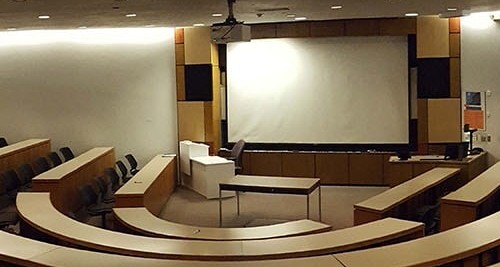
According to the introductory schedule which I still have in my files, Sequence 22 assembled for the first time on Tuesday, September 9, 1969, in Auditorium A-1 of the Newhouse Communications Center.

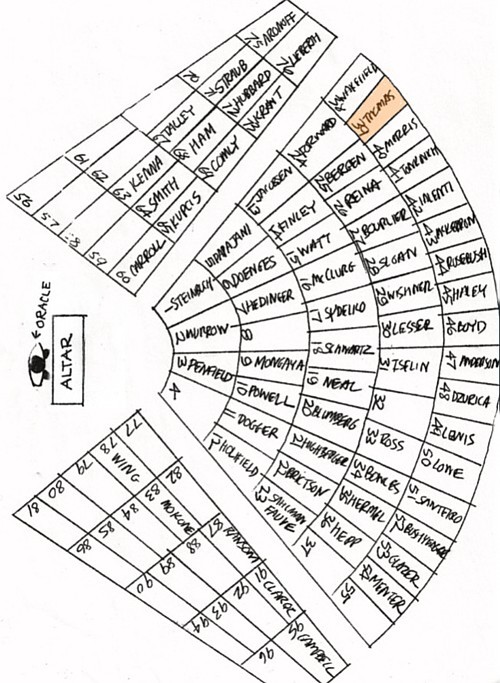
Here's a seating chart. There were about seventy of us, and we went around the room and introduced ourselves. I jotted down a word or two to help me remember each person. My seat #39 is highlighted in orange.
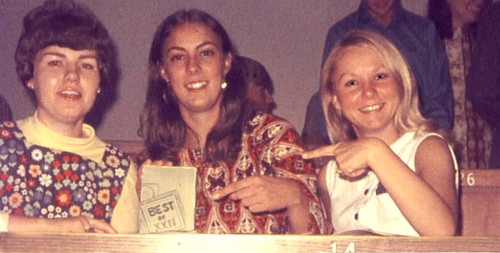
Later, at Bruce Finley's seat two rows nearer to the altar, MaryLou Haley and Lee Bourlier and Patti Sloan would promote the Best of XXII.
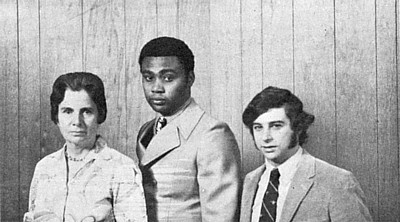
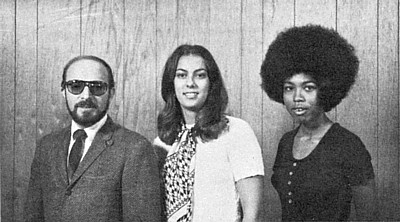
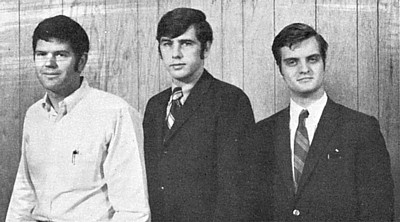
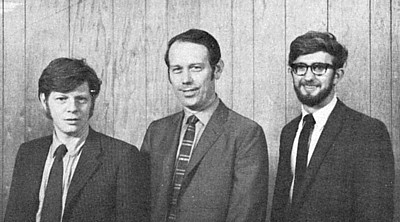
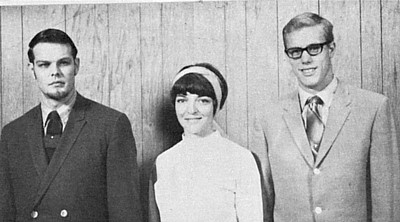
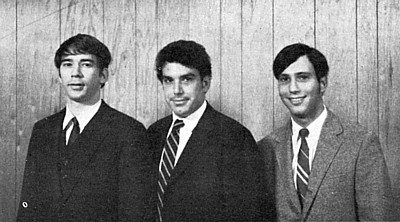
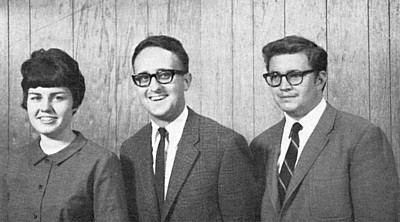
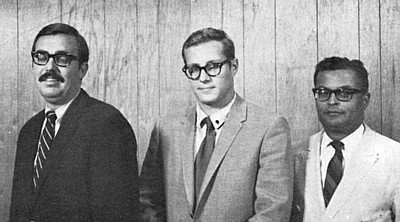
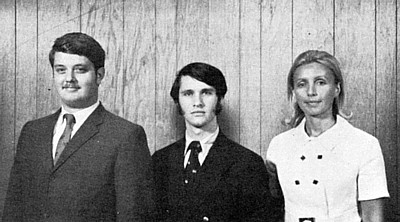
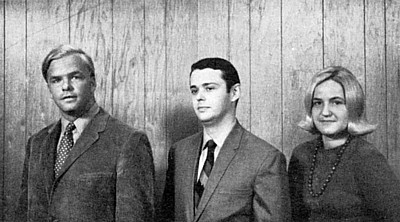
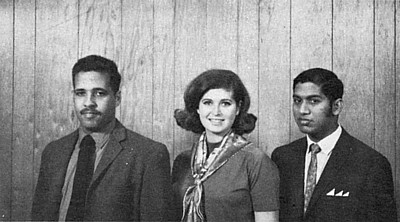
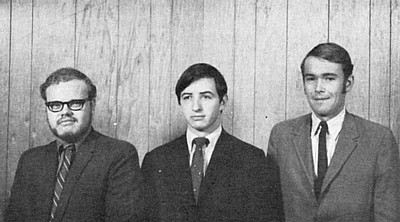
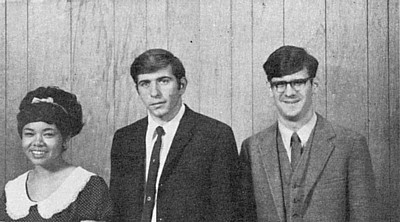
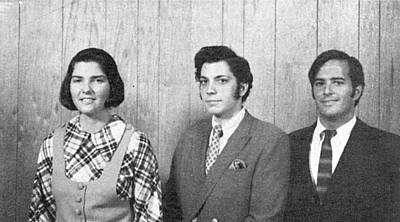
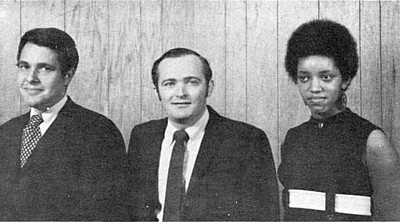
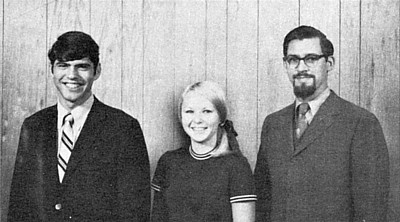
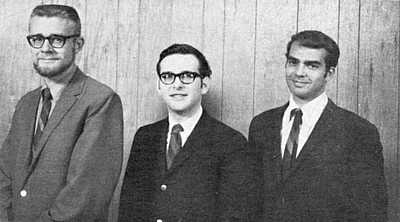
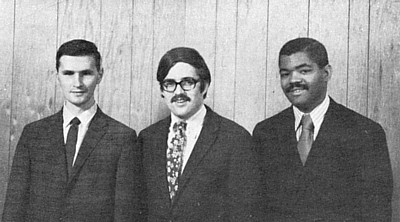
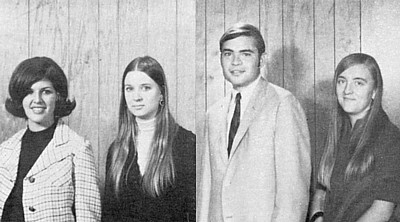
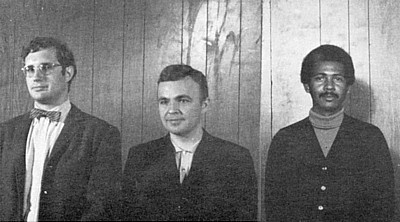
It was announced that class pictures — excuse me, Sequence pictures — would be taken the next day. We were advised to wear proper attire, including jackets and ties for the men.
On Wednesday morning at 9:00, one of the professors, A. William Bluem, gave us part of our homework assignment for the next 11 months. In a few days we would receive a list of 500 books, of which we were expected to read 25 by the time we completed our studies. “A reading list such as this is only a beginning,” he wrote in the foreword. “The graduate student in television, having committed himself to the concerns of public communications, has the obligation to make an immediate start.”
The 21 pages of authors and titles seemed daunting. However, having already accepted the concept of a well-rounded liberal education, I approved of this idea, and I did make an immediate start. I eventually would read biographies of James Gordon Bennett and Mathew Brady, A Guide to Keynes, memoirs by Leo Rosten and Eric Sevareid, chronicles of newsreels and the Associated Press, History of Radio to 1926, George Orwell's 1984, Rod Serling's Patterns, and many textbookish volumes.
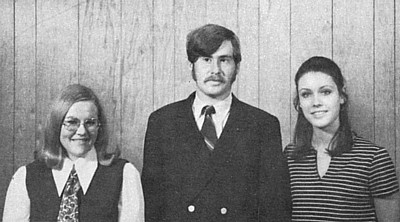
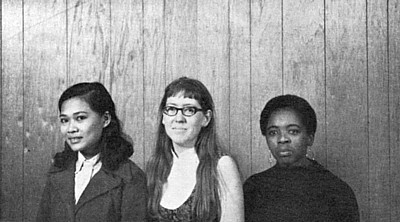
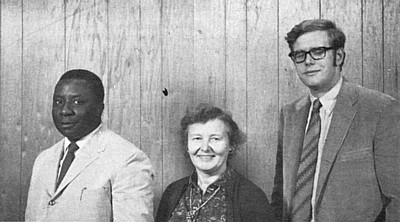
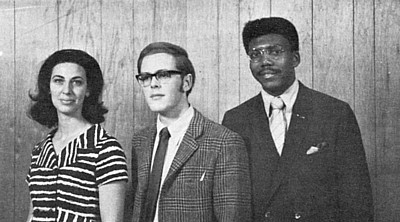
We reported to the Newhouse photo studio at 10:30. Chief TV-Radio engineer John Sorgel snapped our pictures with a Polaroid camera, three at a time. Apparently he didn't bother to make any adjustments to allow for our varying heights.
|
The TVR department printed and distributed the resulting photos. The four-page booklet became our de facto yearbook. I filed it away with the rest of my Syracuse documents. Well, it's been 40 years now, and a few of us have been exchanging e-mails. But besides those we remember best, who else was in the Sequence? It's hard to find a roster. Edie McClurg suggested, “If anyone would have a list of our class, it would be Tom Thomas.” |
|
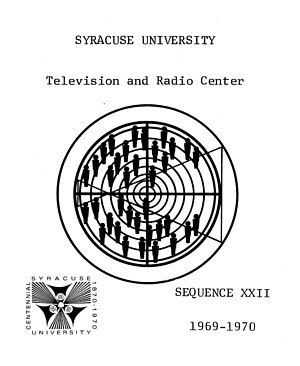
Do have a list?! I certainly do! With pictures, even. Here you are, fellow Sequence-mates.